Hotel or restaurant project
You are specifying a new or existing commercial kitchen.
 Pentair HydraSmart
Get an application-led HydraSmart recommendation based on water hardness, equipment load, peak flow and operating demand.
Request Commercial Softener AssessmentShare your water report, equipment and project details. Aquainwent will review the complete application before recommending a system.
These issues may be associated with hardness, but equipment condition, chemistry, operation and other water parameters can also contribute. The full application must be reviewed.
Use these indicators to identify whether a technical softener assessment is the appropriate next step.
You are specifying a new or existing commercial kitchen.
Dishwashing or glasswashing equipment needs softened water.
Several appliances may need one softened-water supply.
Water and utilities must be coordinated before installation.
You are replacing an existing softener.
You need help calculating technical demand.
The existing softener regenerates too often or does not meet demand.
Benefits depend on correct sizing, installation, operation, equipment settings and planned maintenance.
Ion exchange reduces calcium and magnesium hardness that contributes to scale.
Reduced hardness can support scale management in suitable connected equipment.
Softened water can help manage hardness-related spotting and deposits when settings and chemistry are correct.
Correct treatment can help reduce hardness-related descaling requirements.
Automatic regeneration can be planned around demand when the system is correctly sized and maintained.
A documented assessment provides a clearer basis for utilities, product selection and project coordination.
Aquainwent reviews the water, connected equipment, demand pattern, target and site utilities together.
Value, unit and test basis.
Municipal, borewell, tanker or mixed.
Highest likely connected demand.
Softened-water requirement.
Diversity and operating overlap.
Manufacturer requirement and cycle data.
Flow, cycles and target water.
Quantity and manufacturer limits.
Boilers or connected points where relevant.
Demand and regeneration window.
Hardness load and timing.
Required project or equipment target.
System, salt and service access.
Inlet, outlet and bypass.
Utilities for the approved model.
Loading and refill planning.
Inspection and maintenance clearance.
Pre-treatment and other stages.
These cards compare three verified specifications. The equipment category alone does not determine the model.
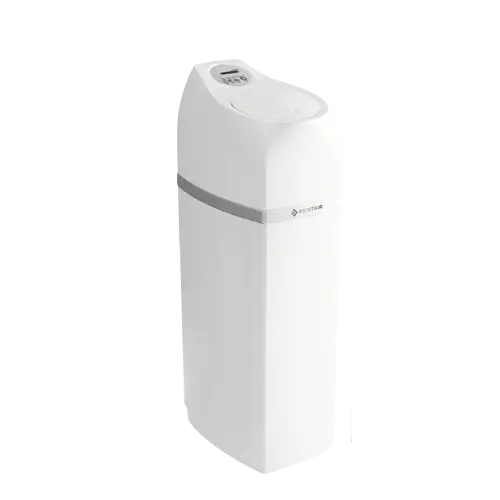
May be considered for defined lower-flow commercial applications after hardness-load and peak-flow assessment.
Confirm equipment flow, hardness load, daily demand, regeneration planning and site utilities.
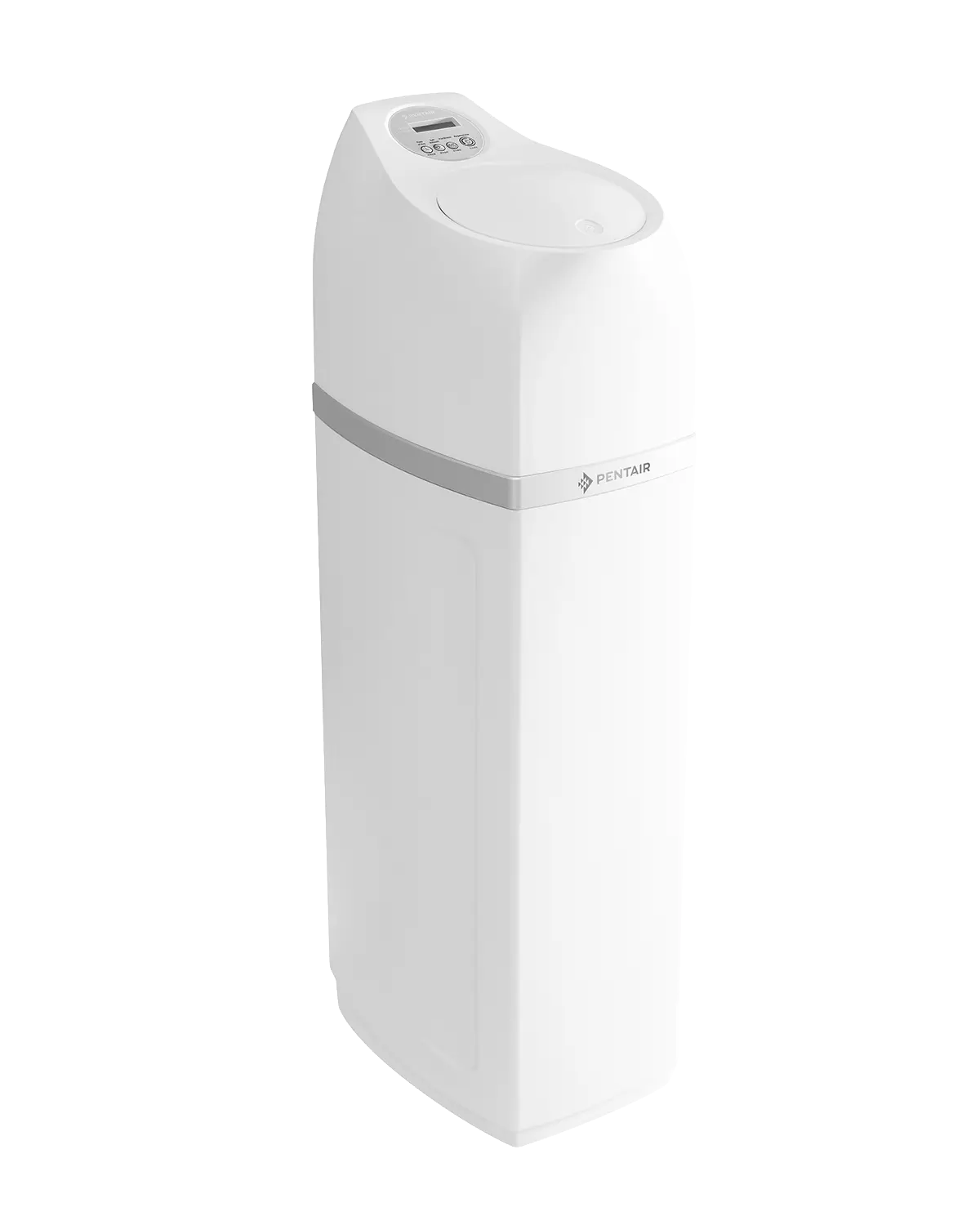
May be considered for medium-demand commercial kitchen or warewashing applications requiring greater capacity.
Confirm equipment flow, hardness load, daily demand, regeneration planning and site utilities.
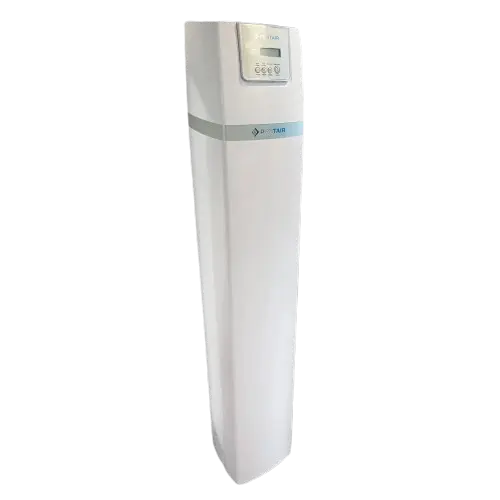
May be considered for larger kitchen lines or multiple equipment points with higher combined demand.
Confirm equipment flow, hardness load, daily demand, regeneration planning and site utilities.
Final selection depends on hardness load, flow rate, daily demand, regeneration requirements and site utilities. Pentair's current HydraSmart sheet specifies chlorinated city water as the inlet condition; other sources require water testing and may need pre-treatment or another configuration.
Equipment-manufacturer water requirements remain controlling. Not every application automatically requires HydraSmart.
HydraSmart is a point-of-entry engineered system. Installation must follow the approved technical scope and site conditions.
Aquainwent can review the information needed to define the water-softening scope and prepare project coordination inputs.
Support remains application-led and subject to the approved technical scope.
Current MINI, MIDI and MAXI range context.
Water, equipment, demand and utilities considered together.
Inputs for specifications, submittals and coordination.
Plumbing, drain, power, bypass, salt and access reviewed.
Product and component planning through Aquainwent support.
Site readiness and hardness verification included in planning.
Regeneration, salt and service planning considered.
No. A softener primarily reduces calcium and magnesium hardness. RO is a different process used where dissolved-solids reduction is required.
It may be possible when the system is correctly sized for combined peak flow, daily demand and hardness load. The equipment schedule must be reviewed.
The model depends on equipment flow, operating cycle, hardness, daily demand and regeneration planning - not the equipment category alone.
Commercial installation should follow the approved technical requirements for plumbing, drainage, electricity, bypass, commissioning and service access. The installation team must be competent for the specified scope.
Regeneration frequency depends on hardness, resin capacity, water demand and system settings. It should not be stated without verified sizing.
The final model, accessories, installation scope and commissioning requirement depend on the project conditions.
Share your water quality, equipment and project requirements. Aquainwent will review the application before recommending a HydraSmart model or alternate treatment configuration.
Share your water report, equipment schedule and project demand. Aquainwent will help identify the appropriate next step.